Twenty years after beginning its work with children and families, Green Pastures Kiddies Foundation (GPK) is looking beyond individual interventions and calling for a new approach to how Nigeria addresses the challenges facing children.
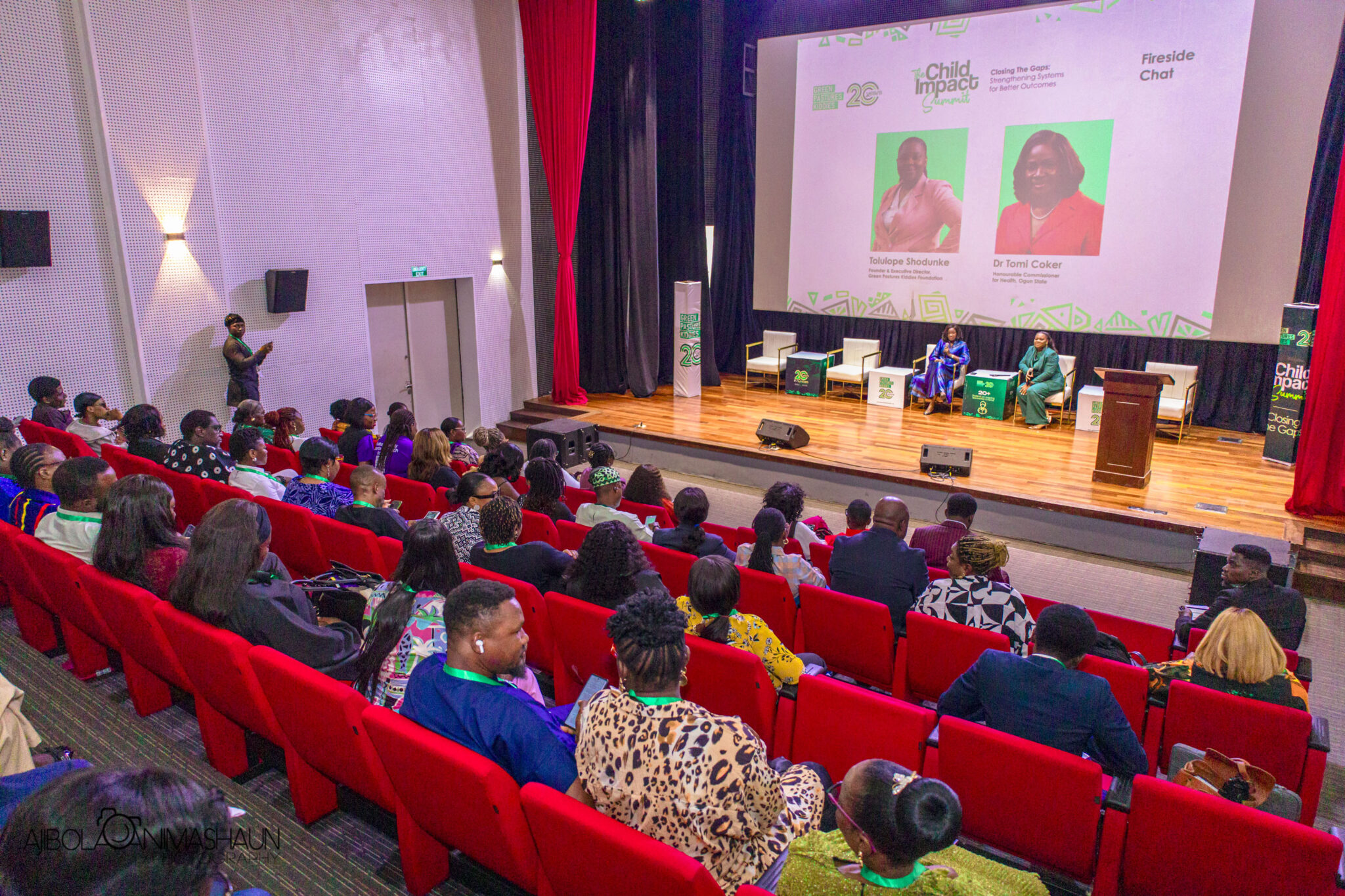
The Foundation made the call at the inaugural Child Impact Summit 2026, held in Lagos on July 9 as part of activities marking its 20th anniversary.
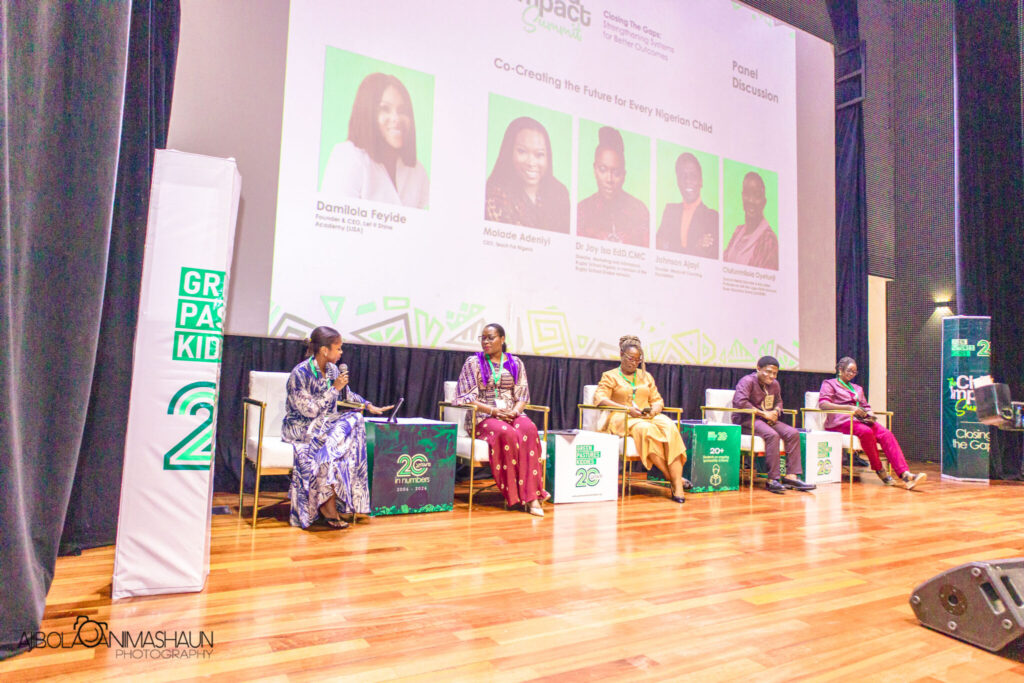
The summit, themed “Closing the Gaps: Strengthening Systems for Better Outcomes,” brought together professionals from education, healthcare, technology, vocational development, child welfare and the private sector to examine some of the gaps preventing children from achieving better outcomes.
For GPK, the conversation was particularly significant because of the Foundation’s two-decade journey working directly with children and communities.
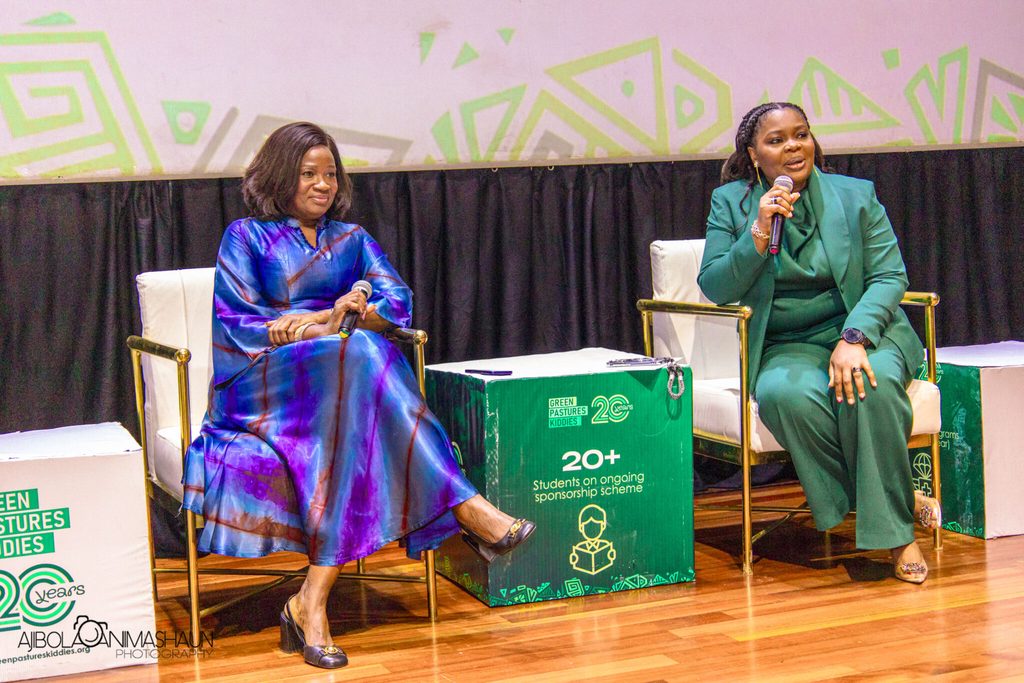
Speaking at the summit, Tolulope Shodunke, Founder and Executive Director of Green Pastures Kiddies Foundation, said the experience of working with children over the years had made one thing increasingly clear: solving the challenges facing children requires more than isolated programmes.
According to her, organisations may provide interventions in education, healthcare or skills development, but the impact is limited when those interventions operate separately.
“Extraordinary work done in isolation can only take us so far. The future of our children depends on stronger partnerships, better coordination and systems that work together instead of alongside one another,” Shodunke said.
That thinking shaped the conversations at the Child Impact Summit, which featured speakers and practitioners examining the different factors that influence a child’s development.
The keynote address by Prof. Akin Akinpelu, Founder and CEO of Akin Akinpelu Learning and Development, focused on systems thinking and the need to address not only individual behaviour but also the structures and mental models that influence outcomes.
The summit also explored the future of education in a rapidly changing world, including the role of artificial intelligence, teacher development and curriculum reform.
On the health side, Dr. Tomi Coker, Ogun State Commissioner for Health, highlighted the connection between maternal health, nutrition, healthcare and the educational outcomes of children.
She called for greater collaboration between government, healthcare providers, development organisations, educators and other stakeholders working to improve the lives of children.
From Education to Skills: A New Pathway for Children
One of the clearest expressions of GPK’s evolving approach was the launch of GPK Academy, a vocational skills hub designed to give children in underserved communities access to practical skills and alternative pathways for their future. The Academy recognises that while conventional education remains important, not every child will follow the same path to success.
By creating opportunities for children to acquire practical and marketable skills, GPK hopes to expand the definition of what meaningful learning and opportunity can look like.
The initiative forms part of the Foundation’s broader vision for its next chapter — one that combines education, skills, partnerships and systems-level thinking to improve outcomes for children.
The summit featured contributions from stakeholders including Tolulope Shodunke; Prof. Akin Akinpelu; Damola Adegoboye; Sami Puttonen; Johnson Abbaly; Mrs. Folasade O. Adefisayo; Molade Adeniyi; Lanre Basamta; Johnson Ajayi; Caroline Popoola; Moronke Azeez; Dr. Joy Isa; Abiodun Owo; Damilola Feyide; and Olufunmilola Oyetunji, among others.
Their discussions covered issues ranging from education and technology to technical and vocational education, inclusive education, healthcare, childcare and workforce development.
For Shodunke, the Foundation’s 20th anniversary is therefore not simply a celebration of how far GPK has come, but an opportunity to consider what needs to happen next.
The Child Impact Summit provided a platform for that reflection, bringing together people working in different parts of the ecosystem to ask a common question: what would it take to create better outcomes for every Nigerian child?
As Green Pastures Kiddies Foundation enters its third decade, the organisation says it intends to deepen its partnerships, expand practical opportunities for children and continue creating platforms that move the conversation around child development from awareness to action.
The message from the summit was clear: Nigeria does not only need more programmes for children. It needs stronger systems that give those programmes the opportunity to create lasting impact.