As concerns continue to mount over the growing influence of drug abuse, cybercrime, peer pressure, and the absence of positive role models among adolescent boys, stakeholders are increasingly calling for more intentional efforts to support boys during their formative years.
In response, MarBen Foundation has connected hundreds of boys with experienced male mentors through its BroCode Initiative, a youth development programme designed to provide guidance, mentorship, and life skills for adolescent boys.
The BroCode Initiative was partly supported by TY Danjuma Foundation, whose support contributed to the successful implementation of the six-week school tour and conference, helping to expand access to mentorship, life-skills education, and positive male role models for adolescent boys.
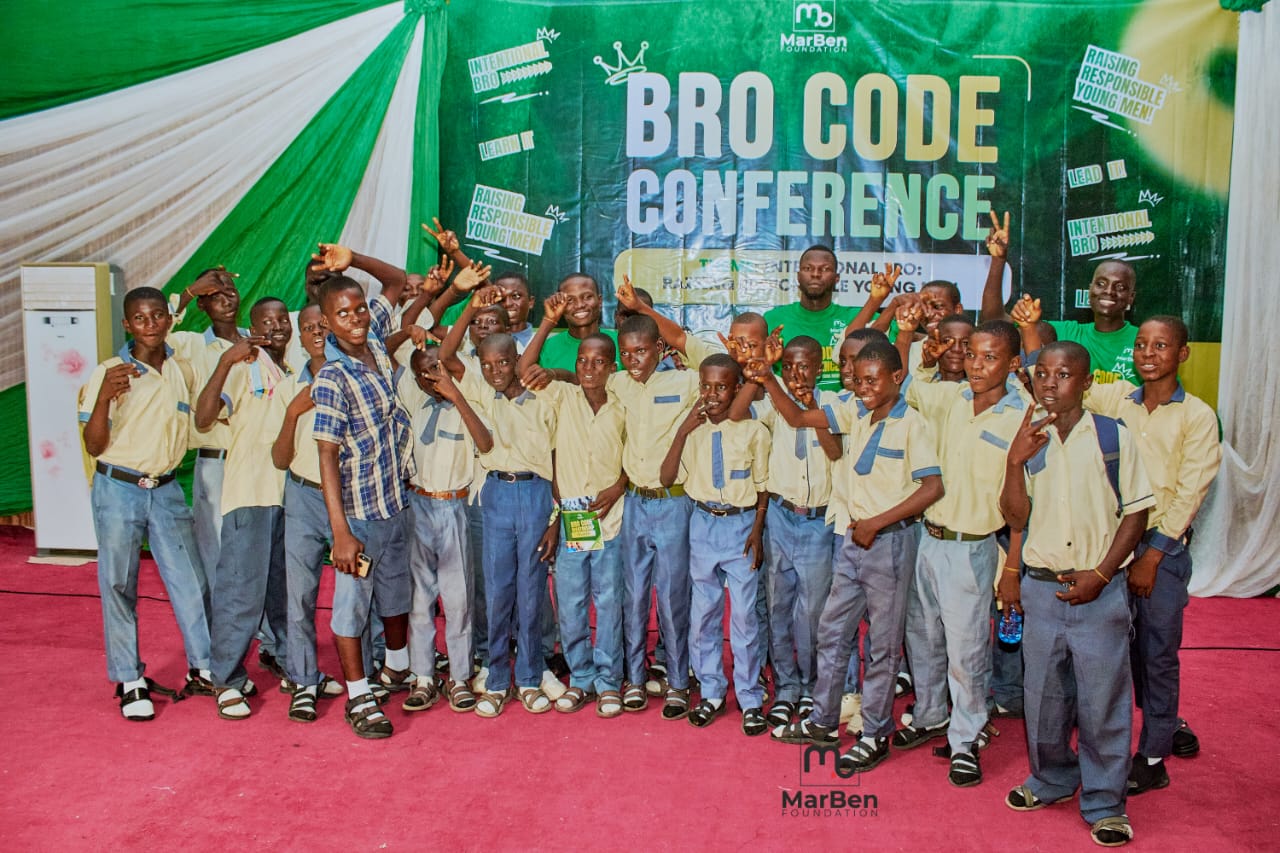
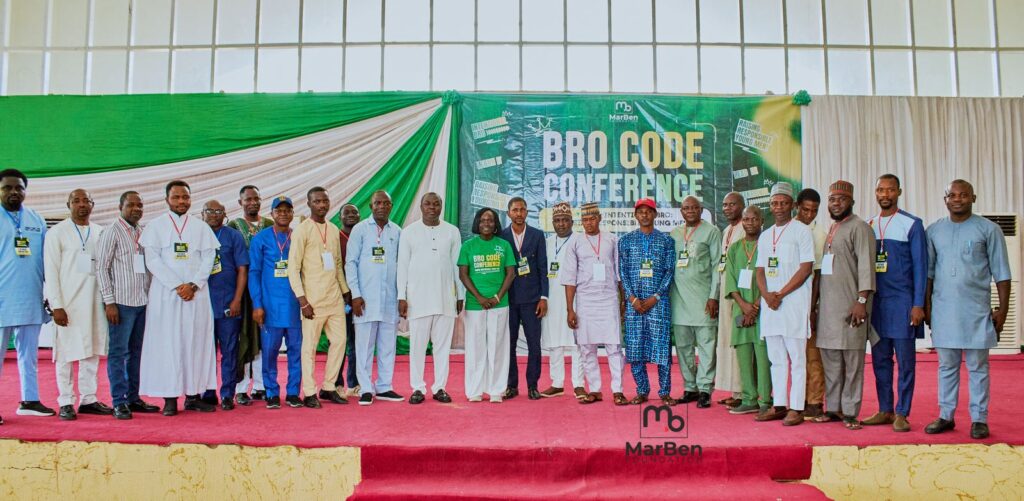
Held under the theme “Intentional Bro: Raising Responsible Men,” the programme sought to address one of the most pressing challenges facing many boys today, the lack of access to consistent mentorship and positive male role models.
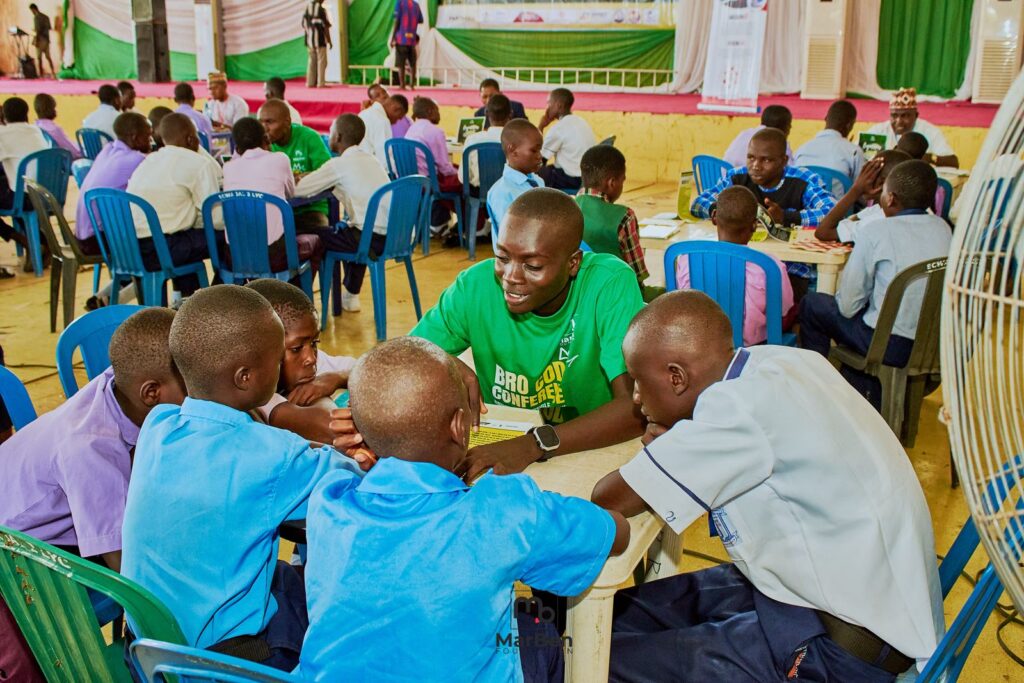
A major highlight of the conference was the Father Mentorship Circle, where over 30 carefully selected mentors engaged boys in small-group discussions focused on leadership, education, character, relationships, life choices, and personal development.
The mentorship sessions created an opportunity for participants to engage directly with professionals, entrepreneurs, educators, community leaders, and fathers who shared their personal journeys, challenges, failures, and successes.
According to the organisers, the objective was to create safe spaces where boys could ask difficult questions, receive guidance, and learn from the experiences of men who have navigated similar challenges.
Many participants described the mentorship circles as one of the most impactful aspects of the programme.
A student from Government Day Secondary School, Kofai, said the experience gave him a new perspective on perseverance and success.
“I got to ask questions and hear directly from someone who had overcome challenges in life. His story inspired me to stay focused and believe in my future,” he said.
Beyond mentorship, participants received training on self-awareness, self-leadership, cybercrime awareness, drug abuse prevention, financial literacy, peer pressure, sexual health, and responsible decision-making using the BroCode Mentorship Guide developed for the initiative.
At the end of the programme, participants were inducted as BroCode Ambassadors and tasked with promoting positive values, peer support, and responsible behaviour within their schools and communities.
Speaking during the conference, Executive Director of MarBen Foundation, Dorcas Elisha, said the programme was developed in response to the growing challenges confronting boys and the urgent need to provide positive support systems.
“We often talk about the challenges facing young people, but we must also create intentional spaces where boys can access mentorship, guidance, and positive role models. We cannot leave their development to chance,” she said.
According to Elisha, boys who are properly supported today are more likely to become responsible fathers, professionals, community leaders, and contributors to society tomorrow.
She noted that BroCode is more than a one-time conference and described it as a growing movement committed to raising a generation of responsible, confident, and purpose-driven young men.
Following the success of the programme, MarBen Foundation has called for stronger collaboration among schools, parents, government agencies, faith-based institutions, development organisations, and community leaders to ensure that more boys have access to mentorship opportunities and life-skills education.
The Foundation believes that addressing the challenges facing boys requires sustained investment, collective action, and intentional efforts to connect them with positive influences capable of shaping their future.
MarBen Foundation is a nonprofit organisation committed to promoting quality, inclusive, and equitable education while empowering children and young people through mentorship, leadership development, digital literacy, skills acquisition, and community-based interventions.