Across Nigeria, concerns around safeguarding in schools continue to grow, particularly as more cases of abuse, neglect, and unsafe learning environments come to light. While schools are expected to provide protection and support for children, many classrooms still lack the awareness and systems needed to identify risks early and respond appropriately, especially for girls, who are often more vulnerable to silence, stigma, and underreporting.
In many cases, the challenge is not a lack of care, but a lack of practical tools. Teachers and school-based staff are not always equipped to recognise early signs of distress, respond to sensitive situations, or take appropriate action when a child is at risk.
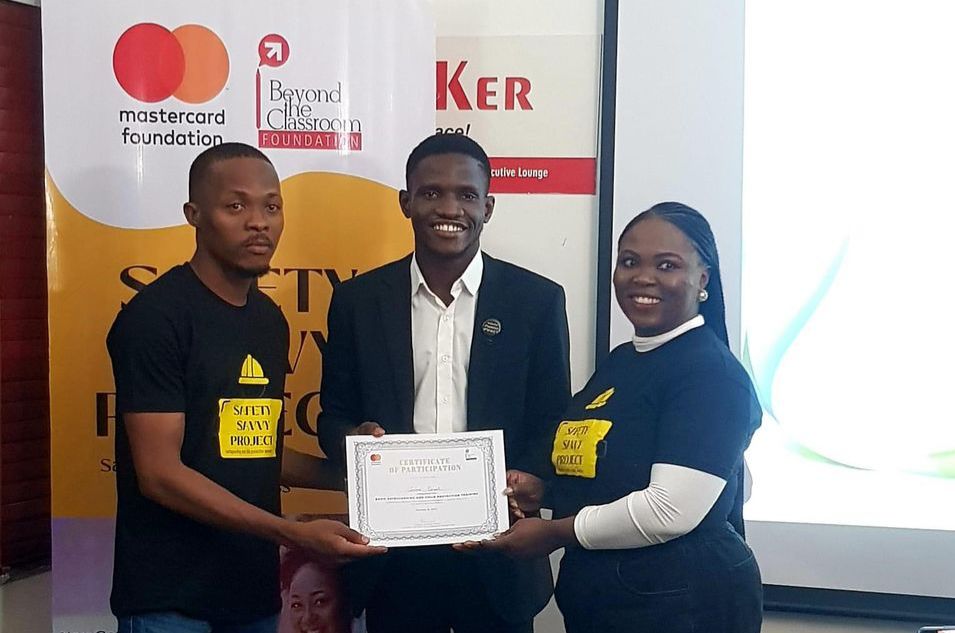
To address this gap, Beyond the Classroom Foundation, with support from the Mastercard Foundation Recovery and Resilience Grant, implemented the Safety Savvy Project between September 2022 and February 2023, a school-based initiative designed to strengthen safeguarding practices across selected schools in the Federal Capital Territory (FCT).
The project was delivered through a school training tour, reaching over 20 schools across the FCT. It worked directly within school environments, training teachers, school counsellors, head teachers, and non-teaching staff, including security personnel, recognising that everyone within the school system has a role to play in student safety.
Each school nominated representatives, with an average of 10 participants per school, ensuring that safeguarding knowledge was shared across different roles within the school.
The training focused on practical safeguarding skills, including:
- recognising signs of distress, abuse, or withdrawal in students
- understanding safeguarding responsibilities within the school environment
- responding appropriately to concerns and disclosures
- creating safer and more supportive spaces for students
Speaking on the importance of the initiative, the Executive Director of Beyond the Classroom Foundation, Raquel Kasham Daniel, said:
“We often assume that teachers will naturally know what to do when something is wrong, but that is not always the case. What we have seen is that with the right support, teachers become more aware, more responsive, and more intentional about how they engage with students. And that changes the classroom.”
For many participants, the training led to a shift in how they viewed student behaviour. One teacher shared how she had previously interpreted a quiet and withdrawn student as simply shy, but began to understand that such behaviour could signal that something deeper was going on. This shift encouraged teachers to pay closer attention and respond more thoughtfully.
Following the training, schools reported noticeable changes in how teachers interacted with students. Educators became more attentive and more supportive in their approach. Some schools observed that students who were previously withdrawn began to participate more actively in class, while others noted that teachers were more intentional in creating classroom environments where students felt safe to speak.
Head teachers from Government Secondary School (GSS) Lokogoma and Junior Secondary School (JSS) Wuse 2 also noted that the training strengthened how their schools approach student welfare, with staff becoming more conscious of their role in safeguarding and early response.
Through the Safety Savvy Project, Beyond the Classroom Foundation reinforced the importance of equipping not just teachers, but all school-based actors with the skills needed to protect and support students.