As the world commemorates Menstrual Hygiene Day 2026, AIDS Healthcare Foundation (AHF) Nigeria has renewed calls for stronger action to end menstrual stigma and improve access to affordable menstrual health products for girls and women across Nigeria.
The organisation stressed that menstruation should never prevent girls from accessing education, confidence, healthcare, or opportunity, noting that millions of women and girls still struggle with period poverty, misinformation, stigma, and inadequate menstrual hygiene support systems.
In a statement released ahead of the commemoration, AHF Nigeria emphasized the need for governments, schools, communities, and development stakeholders to prioritize menstrual health as a public health and dignity issue. The organisation also highlighted the link between poor menstrual health management, school absenteeism, vulnerability, and increased health risks among adolescent girls and young women.
According to the AHF Africa Bureau Chief, Martin Matabishi, many women and girls across Africa continue to lack access to basic menstrual products and safe facilities, forcing them to miss school, compromise their health, or resort to unsafe coping mechanisms.
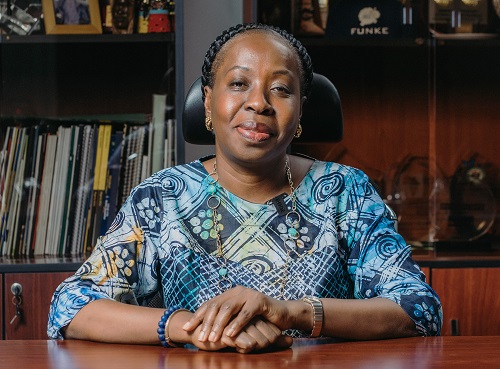
AHF Nigeria Country Program Director, Dr. Echey Ijezie, described menstrual health as a fundamental part of public health, dignity, and HIV/STI prevention, calling on governments to remove taxes on menstrual products and invest in access and awareness initiatives.
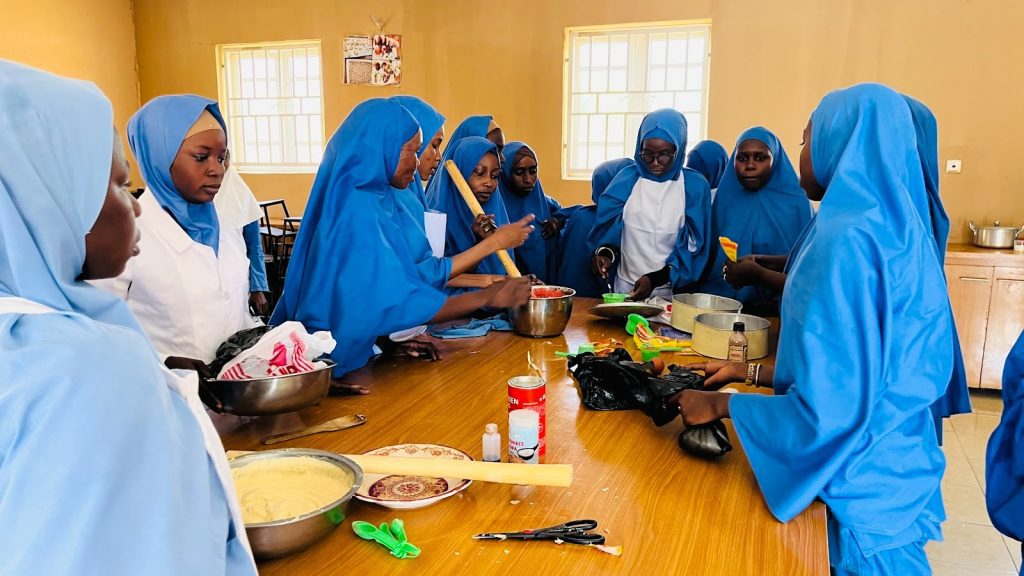
To mark this year’s Menstrual Hygiene Day, AHF Nigeria organized a commemorative outreach in Keffi, Nasarawa State, bringing together students, educators, health professionals, government representatives, and civil society groups for menstrual health education, advocacy, and sanitary pad distribution.
The event featured conversations around menstrual hygiene management, stigma reduction, reproductive health education, and the importance of making boys active allies in menstrual health advocacy. Participating students also received sanitary products and practical guidance on maintaining hygiene during menstruation.
AHF Nigeria further noted that harmful cultural taboos and silence around menstruation continue to limit access to accurate information and discourage many girls from seeking support or healthcare. The organisation stressed that addressing menstrual health must go hand in hand with efforts to normalize conversations around periods and expand access to essential healthcare services.
Through initiatives such as its Girls Act empowerment programme, AHF Nigeria continues supporting adolescent girls and young women with information, advocacy, and access to menstrual health resources across different states in Nigeria.
As conversations around menstrual health continue globally, AHF Nigeria reaffirmed its commitment to advocating for a world where every girl and woman can manage menstruation safely, confidently, and with dignity — free from shame, stigma, or exclusion.